Can you keep one today?
Rules as of October 11, 2026. Seasons open and close at midnight, Florida time.
- Gulf state and federal watersInshore and offshoreOpen to keepall year
How to spot one
Rachycentron canadum
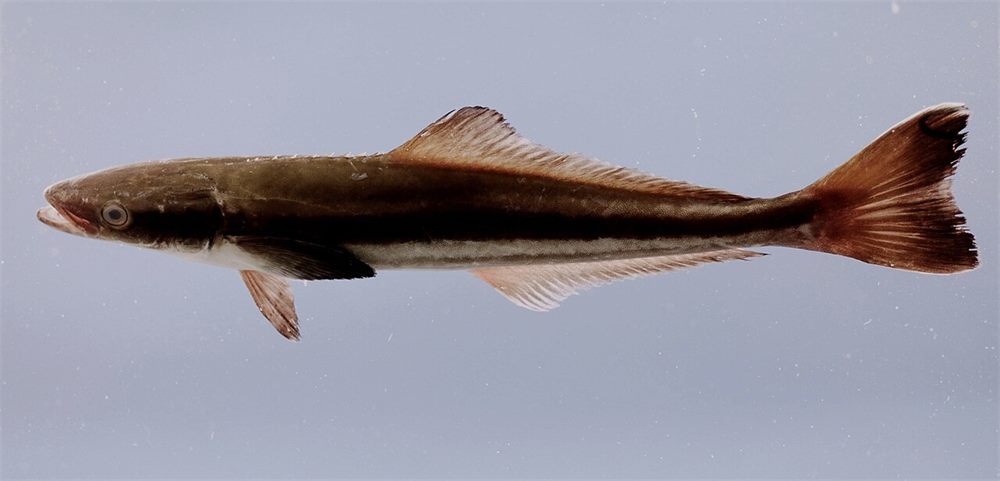
Cobia have a long, slim body, a broad, flat head and a jutting lower jaw. Adults are dark brown above and white to silver below, with a dark stripe from the snout through the eye to the tail. A row of 7 to 9 short, separate, sharp spines sits in front of the soft dorsal fin. Young cobia have bold black and white stripes. Cobia commonly weigh 10 to 50 pounds and can top 100.
From the side, a cobia in the water can pass for a shark. Sharks follow different rules, and many are protected, so look for the stripe and the loose spines. Small cobia also resemble remoras, which have a sucking disk on the head.
Season dates
When cobia may be kept, inshore and offshore.
Open all year.
Limits and rules
Bag, size and vessel limits, and what else to know before you keep one.
1 per person per day, 2 per vessel, whichever is less; 36 in. fork length minimum
Must be landed whole (gutting allowed). Vessel limit applies no matter how many anglers are aboard.
How to catch them
Tackle, baits and how to fish for cobia, and how to release one well.
Many anglers hunt cobia by sight, scanning from a tower and casting to fish near rays, turtles, markers or debris.
Cobia hit natural baits and lures alike. Live crabs and small fish such as pinfish are top choices. Fish the bait shallow. When cobia sit deeper, use the lightest weight that gets it down and still lets it swim. Cobia are powerful, so use medium to heavy tackle.
Decide before the fish reaches the boat whether you can keep it. Gaff only a legal cobia you plan to keep. Release the rest in the water, cutting the line near the hook if a fish swallowed it.
Where and when
With the waters we cover where cobia turn up, and their best months.
Cobia use the bays, inlets and beaches and the open Gulf out to about 230 feet. They gather at channel markers, buoys, pilings, wrecks, reefs and floating debris. They also trail large rays, manatees, sea turtles and sharks, sometimes in 2 to 3 feet of water. Out in the Gulf, look high in the water around wrecks and reefs.
Cobia favor water from about 68 to 86°F. Gulf cobia summer in the north and winter off South Florida, so they travel up this coast in spring and back down in fall. Around Tampa Bay they show up from spring through fall, and off Manatee and Sarasota from spring into early fall. They are most common in the bays in warm months.
- Sarasota inshoreBest Mar–Apr
- Sarasota nearshoreBest Mar–May and Oct–Nov
- Sarasota offshoreBest Mar–May
- Tampa Bay inshoreBest Mar–May and Oct
- Tampa Bay nearshoreBest Mar–May and Oct–Nov
- Tampa Bay offshoreBest Mar–May
About cobia: from myfwc.com, gulfcouncil.org, fisheries.noaa.gov, floridamuseum.ufl.edu, gis.myfwc.com, myfwc.com, myfwc.com, myfwc.com, flseagrant.org, blogs.ifas.ufl.edu, blogs.ifas.ufl.edu, myfwc.com and flseagrant.org. Written by H2O Cowboy; updated October 13, 2026.